German Shepherd Birthday 3D Paper Cut Review
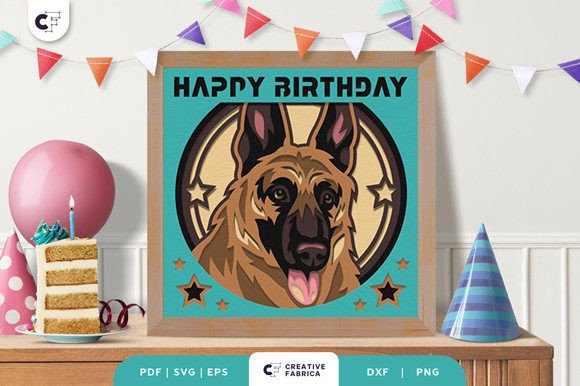
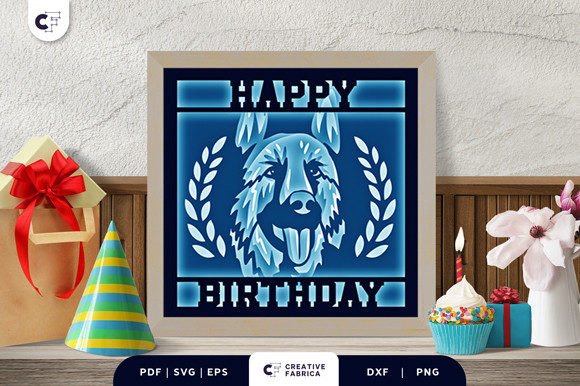
As a designer who has spent years curating assets for both personal hobbyists and commercial craft businesses, I approach every new file with a critical eye. The market is flooded with generic vectors that look fine on a screen but fall apart when translated into thread or layered paper. When I first encountered the German Shepherd Birthday 3D Paper Cut, my immediate reaction was one of cautious optimism. The product description promises an "intricate realistic portrait" within a shadow box style, specifically tailored for Birthdays. For any Etsy seller or small shop owner looking to capitalize on the dog lover niche, this sounds like a goldmine. However, the real test lies in how this digital embroidery file translates from a digital preview into a tangible, high-quality finished product.
First Impressions: Mood and Visual Weight
The visual personality of the German Shepherd Birthday 3D Paper Cut is immediately striking. It leans heavily into the "shadow box" aesthetic, which implies depth and layering. In the context of a machine embroidery design, this suggests a need for careful planning regarding stitch types. A realistic portrait of a German Shepherd requires more than just simple outlines; it demands nuanced shading to capture the breed's distinctive markings. If you are considering this for a custom apparel project, such as a premium sweatshirt or a structured tote bag, the intricate details could elevate the perceived value of your item significantly.
However, the "3D SVG" nature of the original concept presents a unique challenge when adapting it for thread. In paper crafting, layers create physical depth. In embroidery, we must simulate that depth using fill stitch density and strategic color placement. The mood created here is celebratory yet dignified, perfect for a personalized gift that feels bespoke rather than mass-produced. The layout seems designed to command attention, making it less suitable for subtle accents and more appropriate as the focal point of a garment or home decor piece.
Real-World Application: From Screen to Stitch
Let’s imagine a real-life scenario: You run a boutique specializing in pet-themed gifts and have a client requesting a commemorative hoodie for their German Shepherd's fifth birthday. You load the German Shepherd Birthday 3D Paper Cut into your digitizing software. Here is where the practical evaluation begins. The intricate lines of the portrait will likely require a high stitch count to maintain clarity. If the design relies on very fine details, you must be prepared to adjust the stitch density to prevent puckering on a heavy fabric like fleece or cotton twill.
For a tote bag design, the flat surface works well, allowing the shadow box effect to shine without distortion. However, if you were attempting this on a curved surface like a cap, the "3D" illusion might suffer unless you are extremely skilled at manipulating the digitization. The thread colors will play a massive role here. To achieve the realistic look described, you cannot rely on standard basic palettes. You will need to source specific shades of tan, black, and cream to match the German Shepherd's coat accurately. This adds cost and complexity but ultimately results in a superior handmade product that commands a higher price point.
Consider also the application on a pillow cover or a kitchen towel. These items often undergo frequent washing. A dense embroidery file with complex shading can sometimes feel stiff against soft fabrics. If the German Shepherd Birthday 3D Paper Cut features large areas of solid fill, the back of the stitching might become bulky. Using a cutaway stabilizer is non-negotiable here to ensure the design lays flat and maintains its integrity after multiple wash cycles. For a holiday embroidery project or a special occasion gift, the extra effort in stabilization pays off in professional presentation.
Navigating Potential Pitfalls
While the potential is high, there are specific scenarios where this design requires caution. First, avoid using the German Shepherd Birthday 3D Paper Cut on stretchy or thin fabrics like jersey knit or silk. The weight of the thread required to render the realistic details could cause the fabric to warp or sag. Similarly, textured fabrics like corduroy or heavy denim might interfere with the precision of the smaller details, causing the needle to skip or the stitches to settle unevenly.
Small hoop sizes are another red flag. An intricate portrait needs room to breathe. Attempting to fit this design into a 4x4 inch hoop would likely result in a loss of detail and a crowded appearance. Always check the recommended hoop size before committing to a project. If the design is too large for your machine, you may need to scale it down, which risks losing the very realism that makes the 3D SVG concept so appealing. Additionally, tiny lettering often found in birthday designs can become illegible if the stitch type isn't adjusted from satin to fill or vice versa during the digitizing process.
Impact on Brand and Customer Perception
For the small business owner or creative entrepreneur, the choice of design directly impacts brand consistency and customer trust. A well-executed version of the German Shepherd Birthday 3D Paper Cut signals quality. It tells the buyer that you care about the nuances of their beloved pet. Conversely, a poorly executed version—where the fur looks muddy or the edges are jagged—can damage your reputation. In the competitive world of commercial embroidery, customers are becoming increasingly discerning. They want products that look as good in person as they do in the printable mockup.
This design has the power to increase buyer engagement because it taps into the emotional connection people have with their pets. A finished product featuring a lifelike German Shepherd is far more likely to be shared on social media, providing free marketing for your shop. However, this comes with the responsibility of ensuring the design assets are used correctly. The visual appeal must match the promise of the listing. If you sell this as a digital product for other makers, ensure your documentation clearly explains the limitations regarding fabric types and hoop sizes to prevent customer dissatisfaction.
Practical Designer Notes for Success
Before you rush to list this item or start stitching, follow these practical steps to ensure success:
- Test on Scrap Fabric: Never stitch the final design directly onto your intended product. Use a scrap piece of the same fabric to test tension, density, and stabilizer needs.
- Check Color Contrast: Verify that the thread colors provide enough contrast against the fabric background. Dark fabrics may require underlay stitches to make the lighter parts of the German Shepherd pop.
- Review Stitch Density: Look closely at the darker areas of the portrait. Are they too dense? Adjust the settings to allow the fabric to breathe and prevent puckering.
- Confirm Licensing: Ensure you understand the licensing terms. Can you sell the finished embroidered patch? Can you resell the digital embroidery file? Clarify this before launching any craft business venture.
- Mockup Testing: Create black and white mockups to see how the design reads without the distraction of color. This helps identify issues with line weight and spacing.
- Stabilizer Selection: For intricate portraits, a tear-away stabilizer might not be enough. Consider a water-soluble or cutaway option for better support.
The German Shepherd Birthday 3D Paper Cut is a powerful asset for those willing to put in the technical work. It bridges the gap between a simple graphic and a piece of art. Whether you are creating a baby embroidery item for a puppy's arrival or a sophisticated sweatshirt embroidery for a seasoned pet parent, the key lies in preparation. By respecting the intricacies of the design and choosing the right materials, you can transform this 3D SVG concept into a cherished keepsake that stands out in any collection.